
Administration Intensifies Offensive Against Ocean Shipping Industry
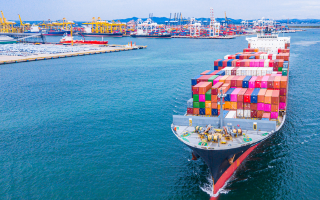
The ocean shipping industry has long been a vital cog in the machinery of global commerce, facilitating the movement of goods across the world’s vast oceans. Recently, however, the industry has found itself in the crosshairs of regulatory authorities and policymakers, as the current administration intensifies its offensive against perceived inefficiencies, unfair practices, and environmental impacts. This blog post explores the reasons behind this intensified scrutiny, the measures being implemented, and the potential implications for the future of ocean shipping.
The Need for Reform
The ocean shipping industry has faced criticism on several fronts. Key issues prompting regulatory action include:
- Environmental Impact: Ocean shipping is a significant contributor to global greenhouse gas emissions, and there is increasing pressure to reduce its carbon footprint. The administration has been vocal about its commitment to addressing climate change, and the shipping industry is a crucial part of this agenda.
- Supply Chain Disruptions: The COVID-19 pandemic exposed vulnerabilities in global supply chains, with delays and bottlenecks in ocean shipping leading to significant economic impacts. Policymakers are keen to enhance the resilience and efficiency of maritime logistics.
- Market Practices: Concerns over anti-competitive practices, such as price fixing and capacity manipulation by major shipping alliances, have raised alarms about the fairness and transparency of the industry.
Regulatory Measures
To address these concerns, the administration has introduced a range of measures aimed at reforming the ocean shipping industry. These include:
- Stricter Emission Standards: New regulations are being implemented to reduce the environmental impact of shipping. These include stricter limits on sulfur and nitrogen oxide emissions and the promotion of cleaner fuels and technologies.
- Enhanced Oversight: The Federal Maritime Commission (FMC) has been granted greater authority to investigate and act against unfair practices. This includes increased scrutiny of carrier alliances and a crackdown on anti-competitive behaviors.
- Incentives for Innovation: The administration is promoting technological advancements in the industry. Incentives are being provided for the adoption of digital tools and practices that can enhance efficiency and transparency in maritime logistics.
- Supply Chain Resilience: Measures to strengthen the resilience of supply chains include investments in port infrastructure, streamlined customs procedures, and policies to diversify supply sources and routes.
Implications for the Industry
The intensified regulatory offensive against the ocean shipping industry is likely to have significant implications:
- Increased Costs: Compliance with new environmental and operational standards will likely lead to increased costs for shipping companies. These costs may be passed on to consumers, potentially leading to higher prices for imported goods.
- Operational Changes: Shipping companies will need to adopt new technologies and practices to meet regulatory requirements. This could lead to a period of adjustment as the industry adapts to the new landscape.
- Market Dynamics: Greater oversight and enforcement may lead to shifts in market dynamics, with smaller players potentially benefiting from a more level playing field. However, larger carriers may consolidate their positions through compliance and innovation.
- Environmental Benefits: Stricter emission standards and the promotion of cleaner technologies are expected to lead to significant environmental benefits, contributing to global efforts to combat climate change.
Conclusion
The administration’s intensified offensive against the ocean shipping industry marks a significant shift towards greater regulation and oversight. While these measures aim to address critical issues such as environmental impact, supply chain resilience, and market fairness, they also present challenges and opportunities for the industry. As the ocean shipping sector navigates this new regulatory landscape, it will need to adapt and innovate to thrive in a more sustainable and equitable global economy.